
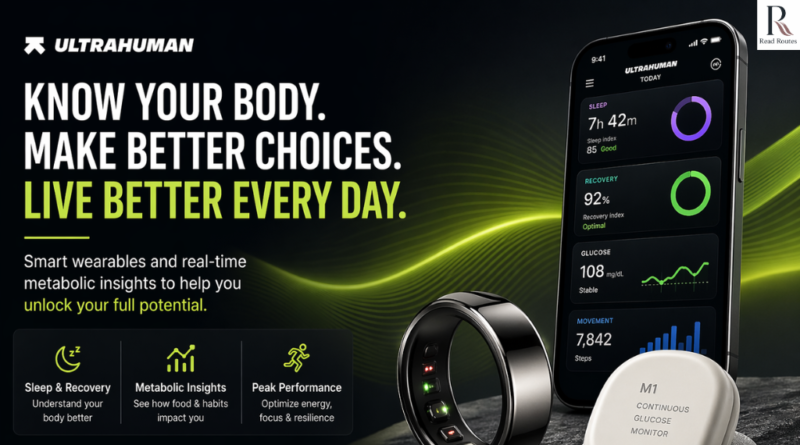
You Don’t Think You Need It—Until Ultrahuman Shows You What Your Body Is Actually Doing
Most people assume they understand their body fairly well. You eat when you’re hungry, sleep when you’re tired, maybe work out a few times a week—and that feels like enough.
But the moment you actually see what’s happening inside your body in real time, that assumption starts to fall apart a little.
That’s where Ultrahuman quietly changes things. Not in a loud, pushy “optimize your life” way, but in a way that makes you curious. And once that curiosity kicks in, you start paying attention differently.
This isn’t one of those platforms you try once and forget. It’s the kind you keep coming back to, mostly because it keeps answering questions you didn’t even know you had.
What You’re Actually Getting Into (And Why It Feels Different)
When you first land on Ultrahuman, it doesn’t overwhelm you with hundreds of random products. Everything is built around a simple idea—helping you understand your body better so you can feel better day-to-day.
The categories are tight and intentional. You’re mainly looking at metabolic tracking, wearable tech, and performance insights. That’s it. But within that, the depth is where things get interesting.
Instead of giving you surface-level tracking like basic fitness apps, it goes deeper into things like see how your meals impact your energy, how well your body is recovering, and whether your sleep is actually doing its job.
It’s not just “you slept 7 hours.” It’s “this is why you still feel tired.”
And that shift—from data to understanding—is what makes the whole experience feel more personal.
The Ultrahuman Ring: The One You’ll Forget You’re Wearing
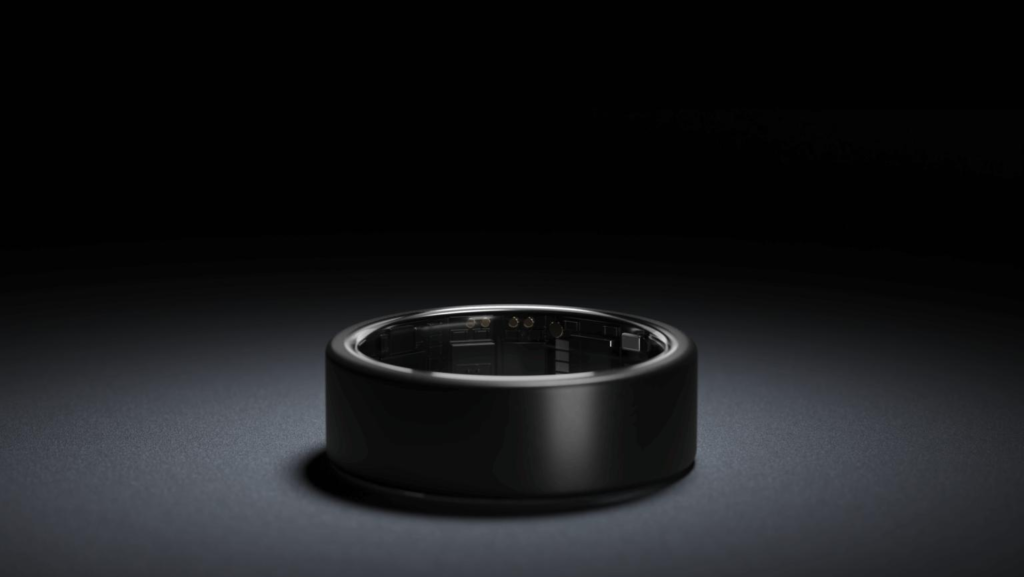
Let’s start with the product most people end up noticing first—the Ultrahuman Ring.
At a glance, it doesn’t scream “smart device.” It looks clean, minimal, almost like a regular ring. And that’s honestly a big part of why it works so well. You don’t feel like you’re wearing something bulky or intrusive all day.
But behind that simple design, it’s doing things that actually matter—tracking your sleep quality, recovery levels, heart rate patterns, and how ready your body is for the next day.
What makes it genuinely interesting is not the tracking itself, but what you start noticing after a few days.
You’ll wake up feeling slightly off, check the app, and realize your recovery score dipped because you slept later than usual. Or you’ll have a really productive day and see that your sleep and recovery were on point the night before.
It slowly connects dots for you.
And once those dots start connecting, you don’t need motivation to improve your habits. You naturally start adjusting things. Maybe you sleep a bit earlier. Maybe you avoid that late-night scrolling because you’ve seen what it does to your recovery.
It’s subtle, but it sticks.
The M1: This Is Where Things Get Real (Especially With Food)
If the ring builds awareness around sleep and recovery, the Ultrahuman M1 takes things to another level entirely.
This is the part where you stop guessing how food affects you.
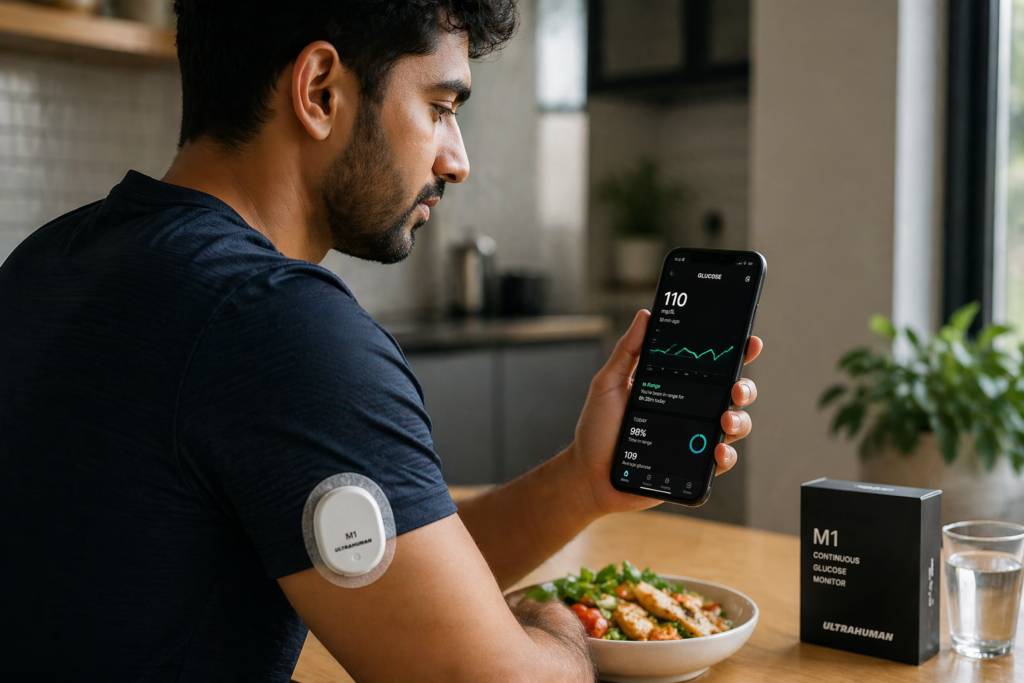
Most of us think we eat “fine.” You might even believe you’re eating healthy. But the M1 shows you exactly how your body reacts to what you eat—in real time.
And honestly, this is where it gets a little surprising.
You might eat something you thought was perfectly healthy and see a glucose spike that tells a different story. Or you might notice that a simple habit—like walking for 10 minutes after a meal—makes a noticeable difference.
It’s not about restriction or strict dieting. It’s about awareness.
For example, instead of blindly cutting carbs, you start understanding which carbs work better for your body. Instead of avoiding snacks completely, you figure out what doesn’t mess with your energy levels.
And once you see those patterns, your choices change automatically. You’re not forcing discipline. You’re just making smarter decisions because now you actually know what’s happening.
The App: Where Everything Starts Making Sense
Now here’s the part that usually makes or breaks these kinds of products—the Ultrahuman app.
Because let’s be honest, a lot of health apps either overload you with data or make everything feel too basic. Ultrahuman finds a middle ground that actually works.
When you open the app, you’re not trying to decode charts or figures. You’re seeing patterns.
You start noticing things like how a late dinner impacts your sleep. Or how a stressful day shows up in your recovery. Or how consistent sleep timing improves your energy more than you expected.
It doesn’t feel like homework.
It feels more like you’re gradually understanding your own routine better.
And the best part is, you don’t need to check it constantly. Even a quick glance gives you enough insight to adjust your day slightly.
What People Actually End Up Buying (And Why They Stick With It)
There’s a pattern you’ll notice if you look at what people usually go for.
A lot of users start with the Ultrahuman Ring because it feels like an easy entry point. It’s simple, wearable, and doesn’t require much effort to get started.
Then, once they start seeing the value, many of them move towards the M1.
Because once you understand your sleep and recovery, the next obvious question becomes—what about food? What about energy levels during the day?
And that’s where the M1 fits in naturally.
What’s interesting is that people rarely stop at just one product. Not because they’re being pushed to buy more, but because the ecosystem makes sense when used together.
You’re not adding more devices for the sake of it. You’re filling gaps in your understanding.
The “Oh, That Makes Sense” Moments You Start Getting
This is probably the most underrated part of the whole experience.
It’s not about big, dramatic transformations. It’s about small realizations that actually stick.
Like realizing that your afternoon crash isn’t random—it’s connected to what you ate at lunch.
Or noticing that your “bad sleep” days usually follow late-night meals or inconsistent schedules.
Or even understanding why some workouts feel great while others feel exhausting.
These aren’t things you usually notice on your own.
But once you do, they’re hard to ignore.
And that’s where Ultrahuman becomes less of a product and more of a feedback loop.
Deals and Bundles That Actually Make Sense
One thing that helps, especially if you’re unsure about where to start, is how Ultrahuman structures its offers.
Instead of pushing you to buy everything separately, there are bundles that combine the ring and M1 system. And honestly, that’s where you get the most complete experience.
Because tracking just one side—either sleep or metabolism—only gives you half the picture.
When you combine both, things start clicking faster.
There are also periodic offers that make the entry point feel less heavy. And if you’ve been on the fence about trying something like this, those deals usually make it easier to take that first step.
It doesn’t feel like a risky purchase anymore. It feels more like trying something new that could actually stick.
Why This Doesn’t Feel Like Another “Health Gadget”
A lot of products in this space start strong but fade out after a few weeks. Mostly because they either become too complicated or too repetitive.
Ultrahuman avoids that by focusing on relevance.
It doesn’t keep showing you the same generic insights every day. It evolves based on your patterns.
And because your habits aren’t static, the insights don’t feel repetitive either.
One week, you might focus on improving sleep consistency. Another week, you might experiment with meal timing. And the app adapts accordingly.
That dynamic aspect is what keeps it interesting.
You’re not just tracking. You’re experimenting with your own routine.
If You’re Someone Who Notices Patterns, This Gets Addictive Fast
You don’t have to be a “data person” for this to click.
You just need to be the kind of person who has ever thought, “something feels off today” and not really known why.
Because that’s where Ultrahuman starts getting interesting.
The first few days feel normal. You wear the Ultrahuman Ring AIR, maybe check the app once or twice, nothing crazy.
Then small things start standing out.
You’ll have a day where your energy just crashes around 4 PM. Instead of brushing it off, you check your data and realise your lunch caused a spike and drop. Next day, you tweak the meal slightly—and suddenly that crash isn’t there.
Or you sleep for 7–8 hours but still wake up feeling heavy. The app shows your recovery dipped because your sleep timing shifted or your body was still stressed. That’s not something you would’ve figured out on your own.
It’s not dramatic. It’s just… clarity.
And once you start seeing these cause-and-effect patterns, you naturally get pulled in. Not because you’re trying hard—but because it’s actually answering things you’ve been guessing about for years.
So, Is It Worth Getting Into?
If you like the idea of slowly understanding your body in a way that actually sticks, then yes—this is where it makes sense.
Because once you’ve seen how your sleep, food, and energy are connected in your case, it’s very hard to go back to guessing.
You don’t need a strict plan.
You don’t need extreme discipline.
You just need a bit of awareness.
And once that builds, most of the “improvement” part starts happening on its own.
That’s what Ultrahuman does well—it doesn’t try to control your routine.
It just makes you understand it better.
And that’s usually enough.