
What People Actually End Up Buying from Alza (And Why It Makes Sense)
Most people don’t open a site like this thinking they’re about to explore everything. It usually starts with something specific. A phone upgrade, a new pair of headphones, maybe a laptop that finally replaces the one that’s been slowing you down for months.
But once you’re inside, the pattern changes a bit.
You start with one product, and then you notice how naturally everything around it connects. Not in a distracting way, but in a way that actually makes your decision clearer. And before you know it, you’re not just buying something—you’re putting together a setup that feels complete.
That’s the interesting part about browsing on Alza. You don’t feel like you’re just picking randomly. You start seeing what works, what people usually go for, and why certain choices keep repeating.
It Usually Starts With One Product—But Rarely Ends There
Let’s say you come in looking for a smartphone. That’s the plan. Something reliable, good performance, decent camera, nothing too complicated.
As you scroll, you start noticing the range. There are budget phones that cover the basics, mid-range ones that feel like the practical choice, and premium models that clearly offer more in terms of performance and longevity. You don’t need a guide to understand the difference—you can see it.
And then something else happens.
Right next to these, you start noticing smartwatches,wireless earbuds, charging accessories. Not in a pushy way, just… there. And it makes sense. If you’re upgrading your phone, you might as well look at what goes with it.
The same pattern shows up in other categories too. Someone looking for a laptop often ends up exploring accessories like a wireless mouse, a laptop bag, or even an external SSD. If it’s gaming, it expands even more—keyboard, headset, monitor, sometimes even the chair.
It doesn’t feel like upselling. It feels like completing the purchase properly.
The Categories Reflect How People Actually Shop
One thing that stands out is how closely the categories match real buying behavior.
You’re not navigating through abstract sections. If you’re interested in gaming, you’ll see everything that belongs to that space—hardware, accessories, peripherals—grouped in a way that feels connected. Same with home appliances, where everything from kitchen gadgets to smart home devices comes together logically.
This matters more than it seems.
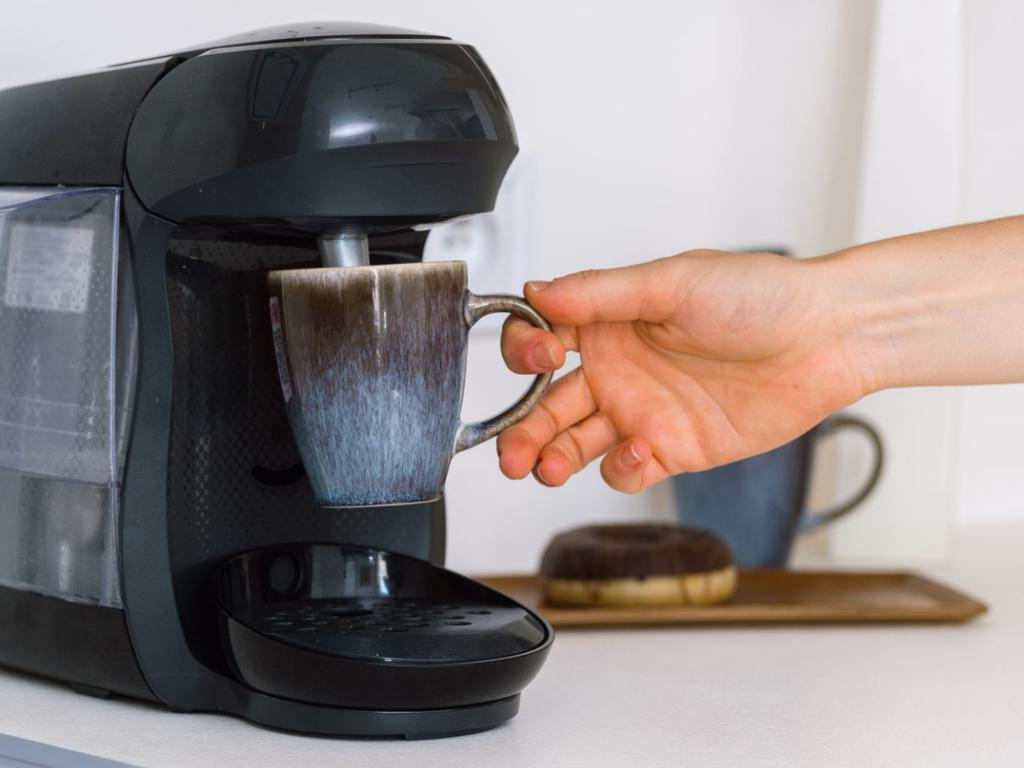
Because most people don’t shop in isolated decisions. You don’t just buy a device—you think about how it fits into your routine. A coffee machine isn’t just a product, it’s part of your morning. A smart speaker isn’t just tech, it’s part of how you interact with your home.
When categories are structured like this, it becomes easier to think beyond just the product and focus on usage.
And that leads to better choices.
Certain Products Keep Showing Up—And That’s Not Random
If you spend even a little time browsing, you’ll start noticing something.
Some products appear again and again.
In laptops, there are a few models that consistently stand out. In headphones, certain designs seem to get more attention. In gaming gear, specific keyboards and mice feel almost standard at this point.
That repetition isn’t accidental.
These are the products that people keep choosing because they strike the right balance. Not too expensive, not underwhelming either. They just work well for most people.
And when you’re unsure, that matters.
Instead of starting from zero and trying to evaluate everything, you can focus on these popular choices and then adjust based on your preference. Maybe you stick with them, maybe you explore similar options—but either way, you’re starting from a place that already makes sense.
It saves time, and more importantly, it reduces doubt.
The Price-to-Value Balance Is Easy to Spot
There’s always that question while shopping—“Is this actually worth it?”
On Alza, the way products are presented makes that question easier to answer.
You’ll often find yourself comparing two or three options that are close in price but slightly different in what they offer. Maybe one has better performance, another has better design, and a third sits right in between.
This is where decisions start feeling real.
Instead of choosing blindly, you’re weighing what actually matters to you. Do you want something that lasts longer? Something that performs better? Or something that simply fits your current need without overspending?
And because the range is wide but structured, these comparisons don’t feel exhausting. They feel natural.
You’re not scrolling endlessly—you’re narrowing things down.
Deals That Align With What You’re Already Considering
A lot of platforms push deals that don’t really match what you’re looking for. You see discounts, but they’re not on the products you actually want.
Here, it feels different.
The deals tend to align with products people are already interested in. So when you’re looking at something and notice that it’s currently available at a better price, it doesn’t feel like a coincidence—it feels like the right time to buy.
Sometimes it’s a straightforward price drop. Sometimes it’s a bundle that gives you more for what you’re already planning to spend. Either way, it adds value without changing your intent.
And that’s important.
Because you’re not being pushed into buying something else. You’re just getting a better version of the decision you were already making.
Gaming, Home, and Everyday Tech—Everything Connects Back to Use
What makes browsing here feel complete is how everything ties back to actual use.
If you’re exploring gaming products, you’re not just looking at individual items. You’re imagining the setup. The monitor, the keyboard, the headset—it all comes together in a way that feels practical.
The same goes for home appliances. Whether it’s a smart device, a kitchen appliance, or something as simple as a cleaning gadget, it’s easy to picture where it fits in your routine.
Even smaller tech like accessories or personal gadgets doesn’t feel like an afterthought. These are the things that often make daily use smoother, and seeing them alongside main products makes the experience more complete.
You’re not just buying items. You’re building something that works together.
You Don’t Feel Rushed—But You Don’t Stay Stuck Either
One of the most common problems while shopping online is getting stuck in that “almost decided” phase.
You’ve seen enough options, but you’re still unsure. You keep going back and forth, checking alternatives, delaying the purchase.
That doesn’t last very long here.
Because of how products are grouped, how popular items stand out, and how pricing feels relevant, you move through that phase faster. Not because you’re being rushed, but because things start making sense sooner.
You recognize what fits. You eliminate what doesn’t. And eventually, you reach a point where the decision feels obvious.
That shift—from hesitation to clarity—is what actually drives the purchase.
Why People End Up Coming Back to It
When a shopping experience feels smooth and decisions feel right, people tend to return.
Not because they have to, but because it works.
Alza creates that kind of experience. You come in for one thing, you explore a bit more than expected, and you leave with something that actually fits your need. There’s no lingering doubt, no feeling that you missed out on a better option.
And that’s what brings people back.
Because the next time you need something—whether it’s a major purchase or just a small upgrade—you already know how the process will feel.
Simple, clear, and worth it.
It Ends With a Decision That Feels Right
At the end of all this, what really matters is how you feel about what you’ve chosen.
Not just in terms of price or features, but in terms of confidence.
On Alza, that confidence builds gradually. Through the way products are presented, through the options you see, through the subtle patterns of what people are choosing.
You’re not guessing. You’re not overthinking.
You’re just making a decision that fits—and that’s what makes it stick.
And once you’ve experienced that kind of clarity while shopping, it’s hard to go back to anything that feels more complicated than it needs to be.