What You Should Actually Explore Inside OpenArt AI Before Choosing an AI Art Tool
Most people open an AI image generator expecting instant magic. A few prompts later, they either get blurry results, repetitive visuals, or images that look impressive for five seconds and then completely unusable for real projects. That’s usually the point where creators start jumping from one AI platform to another trying to find something that genuinely feels worth using long-term.
That search is exactly why more people are spending time on OpenArt AI lately.
What makes OpenArt stand out is not just the image quality. It’s the fact that the platform feels much larger once you actually start exploring it properly. A lot of users initially think it’s simply another AI image generator, but once they move beyond basic prompting, they realize there’s an entire creative ecosystem built into the platform. From style collections and model libraries to editing workflows, character consistency tools, trending visual categories, and community-generated inspirations, OpenArt feels more like a creative playground than a one-dimensional generator.
The platform is especially appealing for people who constantly need fresh visuals. Whether it’s social media content, digital products, YouTube thumbnails, print-on-demand designs, storytelling art, branding assets, or aesthetic promotional creatives, OpenArt gives users a huge amount of flexibility without making the process feel overwhelming.
The First Thing That Stands Out Is the Massive Style Variety
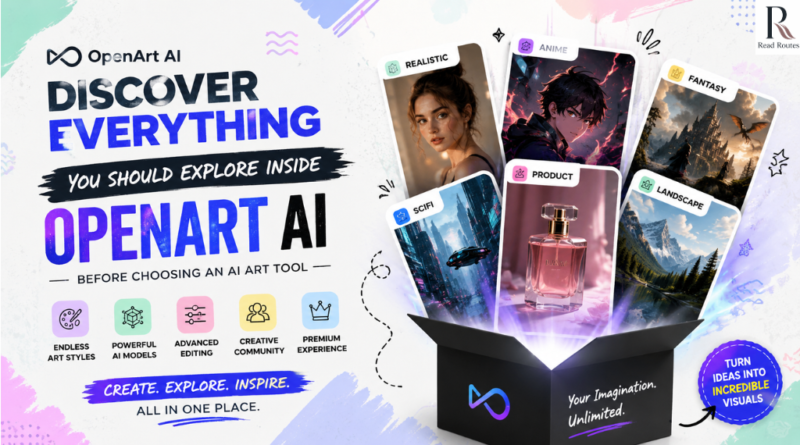
One thing users immediately notice after entering OpenArt is how quickly they can move between completely different art styles. Instead of forcing creators into one visual direction, the platform offers an enormous range of categories that feel designed for different types of creative projects.
Some users arrive looking for realistic photography-style images while others want anime-inspired artwork, fantasy worlds, cinematic portraits, fashion visuals, sci-fi environments, digital paintings, or social-media-ready graphics. OpenArt manages to support all of those categories in a way that feels organized rather than chaotic.
The realistic image section is particularly impressive because the outputs often look polished enough for professional content creation. Portraits come with strong lighting, detailed textures, natural facial structures, and a cinematic look that feels closer to edited photography than generic AI art. This category has become extremely popular among marketers, content creators, and online brands because the visuals work surprisingly well for advertising creatives and social media campaigns.
Then there’s the anime and illustration side of the platform, which honestly feels like a completely different creative universe on its own. The platform includes multiple anime-focused styles capable of generating everything from soft fantasy aesthetics to ultra-detailed cyberpunk characters. A lot of users creating YouTube visuals, gaming content, digital avatars, or artistic branding assets spend most of their time exploring this section.
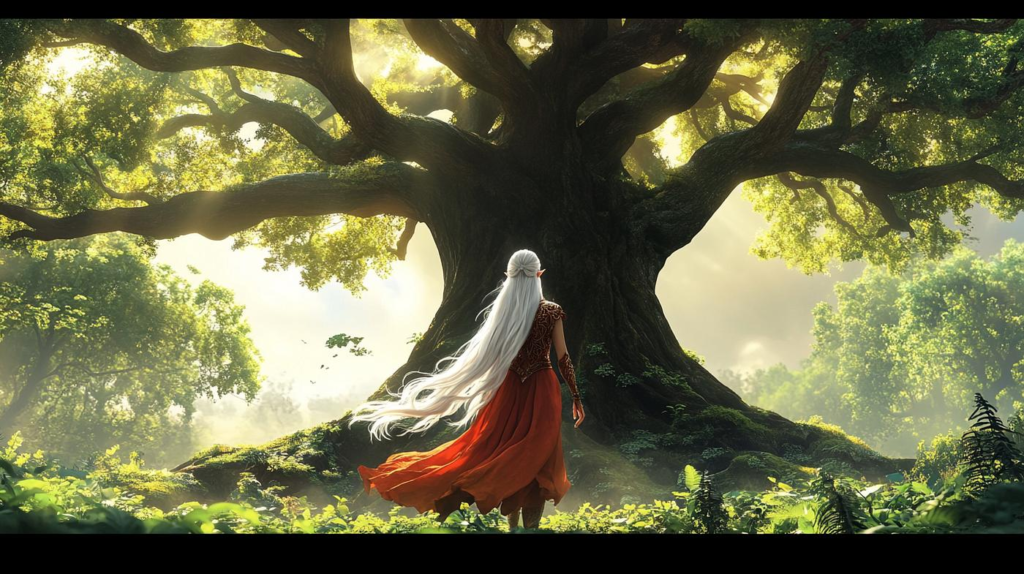
Fantasy and cinematic art categories are another major attraction. OpenArt handles dramatic lighting, magical environments, futuristic worlds, and storytelling-focused visuals extremely well. The images often feel immersive enough to resemble movie concept art rather than randomly generated scenes. For creators working on storytelling pages, fictional worlds, or aesthetic content brands, this category becomes incredibly addictive to experiment with.
Exploring the AI Models Is Where OpenArt Starts Feeling Different
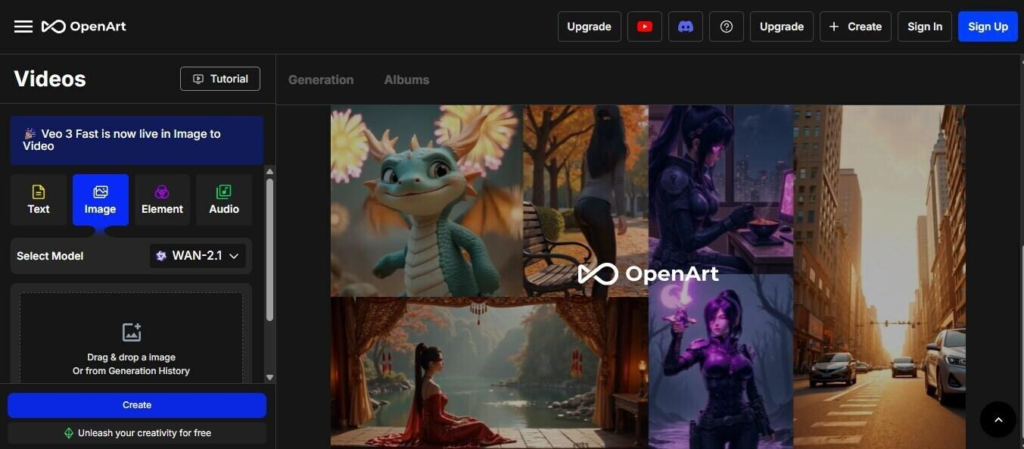
Most casual users only scratch the surface of AI image generators because they rely on default settings and basic prompts. OpenArt becomes much more interesting once users start exploring the model collections available inside the platform.
Instead of offering only one generation engine, OpenArt provides access to multiple AI models designed around different artistic outcomes. Some models specialize in realistic portraits while others perform better for fantasy landscapes, anime illustrations, cinematic scenes, stylized fashion visuals, or concept art.
That flexibility changes the creative process completely because users can intentionally choose the visual direction they want before even typing a prompt. It feels less random and much more controlled.
The trending model section is especially useful because it allows users to see what styles and aesthetics other creators are currently generating successfully. This becomes incredibly valuable for beginners who may not know where to start. Instead of spending hours figuring out prompts alone, they can explore popular outputs and quickly understand what kind of visuals the platform is capable of producing.
One underrated advantage here is how much time this saves. Many AI tools force users into endless experimentation just to achieve one decent-looking result. OpenArt’s organized model ecosystem makes the learning curve feel significantly easier.
For creators working on commercial projects, the ability to switch between multiple visual styles quickly is a huge advantage. A single platform can generate realistic product ads one moment and stylized fantasy artwork the next without requiring separate subscriptions or tools.
The Community Inspiration Section Is Surprisingly Useful
A lot of people overlook the community side of OpenArt at first, but it honestly becomes one of the most useful parts of the platform once users start creating regularly.
The platform showcases artwork generated by other creators, which naturally turns into a huge source of inspiration. Users can explore trending prompts, discover visual styles they had never considered before, and study how different creators structure their generations.
This is especially useful for beginners who struggle with prompt writing initially. Instead of guessing randomly, they can learn by observing successful outputs already performing well on the platform.
The community feed also keeps the platform feeling fresh. New aesthetics, trends, and artistic experiments constantly appear, which prevents the experience from becoming repetitive after a few weeks. Many users end up discovering entire visual directions they never originally planned to create simply because they explored trending artwork inside OpenArt.
For digital creators, this matters more than people realize. Creative burnout happens quickly when visuals start feeling repetitive. Having a constantly updating inspiration ecosystem built directly into the platform helps keep ideas flowing naturally.
OpenArt’s Editing Tools Make the Workflow Smoother
Generating AI images is one thing. Actually refining them into polished content is something completely different.
This is another area where OpenArt feels more practical than many basic AI generators online right now. The editing tools inside the platform allow creators to improve outputs instead of constantly restarting from zero.
The inpainting and image editing features are especially valuable because users can selectively adjust parts of an image without losing the entire composition. If the background feels off, if facial details need refinement, or if lighting requires improvement, creators can modify those areas directly instead of regenerating dozens of completely different versions.
That workflow becomes extremely important for creators working on professional-looking projects. Social media campaigns, digital branding, online stores, YouTube thumbnails, and promotional visuals often require small refinements rather than complete redesigns. OpenArt’s editing tools make those adjustments much faster.
Image-to-image generation is another feature people end up using more than expected. Users can upload reference visuals and transform them into entirely different aesthetics while preserving structure and composition. This creates far more control over the creative process compared to relying purely on text prompts.
For creators building recognizable visual identities, these editing capabilities become incredibly useful over time.
The Character Consistency Features Are a Huge Advantage
One of the biggest frustrations with AI image generation is inconsistency. A character may look amazing in one generation and completely different in the next.
OpenArt addresses this problem far better than many competing platforms through its custom model and consistency-focused tools.
This becomes extremely valuable for creators building recurring content. Whether someone runs a faceless Instagram brand, creates AI influencers, designs comic-style storytelling pages, manages YouTube channels, or develops fictional characters, maintaining a recognizable visual identity matters a lot.
The platform allows creators to train and refine models around specific aesthetics or characters, which dramatically improves consistency across generations. Instead of generating random variations every single time, users can create visuals that actually feel connected to each other.
For businesses and content creators trying to establish branding consistency, this feature alone can justify spending more time on OpenArt compared to simpler AI generators.
OpenArt Feels Especially Useful for Content Creators
A major reason the platform keeps growing is because it naturally fits modern content creation workflows.
Content creators constantly need fresh visuals. Social media posts, ads, thumbnails, banners, promotional graphics, aesthetic branding content, product visuals, and storytelling images all require consistent creative production. OpenArt makes that process significantly easier because creators can generate highly customized visuals without depending entirely on stock photos or outsourced design work.
YouTubers use the platform for thumbnails and cinematic concepts. Online sellers create premium-looking product imagery. Social media managers generate aesthetic campaign visuals. Print-on-demand creators explore art styles for merchandise concepts. Digital marketers experiment with advertising creatives. The flexibility of the platform supports all of these use cases surprisingly well.
What makes OpenArt particularly valuable is that the visuals rarely feel identical when prompts are written thoughtfully. The platform provides enough variation, style depth, and customization potential to help creators produce unique-looking content consistently.
That creative flexibility becomes a massive advantage in crowded digital spaces where originality matters more than ever.
The Premium Plans Feel More Like Creative Investments
A lot of AI platforms advertise free usage but quickly become restrictive once users start creating seriously. OpenArt’s premium plans feel more balanced because the paid features actually improve the overall workflow instead of simply removing limitations.
Higher-quality generations, faster rendering speeds, additional credits, advanced model access, and custom training capabilities make a noticeable difference for regular users. The premium experience feels designed for creators who genuinely want to produce content consistently rather than casually experiment once in a while.
The faster workflow alone becomes valuable for people managing real projects. Waiting endlessly for generations or constantly hitting usage limits interrupts creativity quickly. OpenArt’s premium access makes the process smoother and far more productive.
For creators already spending money on stock images, editing software, freelance design work, or multiple creative subscriptions, OpenArt often ends up feeling surprisingly cost-effective considering how many visual tasks it can handle inside one platform.
Final Thoughts
Choosing an AI art platform in 2026 is no longer just about finding something that generates decent-looking images. The real difference comes from flexibility, workflow quality, customization, editing control, creative inspiration, and long-term usability.
That’s exactly where OpenArt AI continues standing out.
The platform offers far more than simple AI-generated artwork. Between its massive style collections, advanced model options, editing capabilities, community inspiration ecosystem, consistency tools, and creator-focused workflow, OpenArt feels built for people who actually plan to use AI visuals regularly rather than casually test trends.
Whether someone wants cinematic portraits, anime visuals, product photography, fantasy art, social media creatives, storytelling imagery, or digital branding assets, the platform gives users enough freedom to keep experimenting without feeling limited creatively.
Once creators start exploring the deeper features inside OpenArt instead of only testing basic prompts, it becomes very easy to understand why the platform has become such a strong favorite among digital creators, marketers, online businesses, and AI art enthusiasts right now.