The OpenArt AI Styles and Features Everyone Is Trying Right Now
AI art platforms are everywhere right now, but very few of them manage to keep people genuinely interested after the first few tries. Most tools feel exciting in the beginning, then slowly start producing the same-looking images over and over again. That’s probably why so many creators, designers, and casual users are suddenly spending more time on OpenArt AI instead.
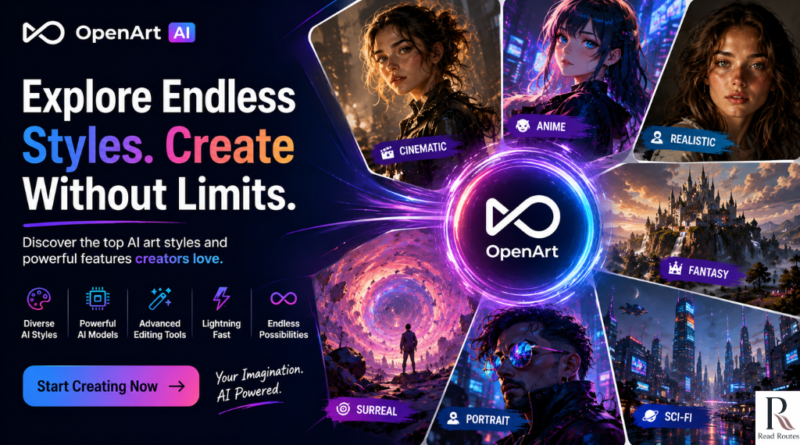
The platform feels less like a basic AI image generator and more like a creative playground where people constantly discover new styles, trends, and visual ideas. One day everyone is generating cinematic portraits, then suddenly fantasy worlds, anime characters, futuristic cityscapes, surreal dream visuals, and hyper-realistic artwork start trending across the platform.
What makes OpenArt interesting is that it keeps evolving visually. The experience doesn’t stop after generating one decent image. Users naturally start experimenting with different styles, models, prompts, and effects because there’s always another creative direction worth exploring.
And honestly, that’s exactly why the platform is getting so much attention from creators right now. It makes AI art feel fun again instead of repetitive.
Cinematic AI Artwork Is One of the Biggest Trends on OpenArt
If there’s one style people immediately get hooked on while using OpenArt, it’s cinematic artwork.
The platform creates visuals that feel dramatic, atmospheric, and polished in a way that instantly grabs attention. Strong lighting, movie-style compositions, emotional expressions, futuristic backgrounds, and rich color grading make the outputs look more like film posters or concept art than random AI-generated images.
This style works incredibly well for social media too, which is a huge reason creators keep using it. Cinematic visuals naturally stand out while scrolling because they feel larger, moodier, and more visually immersive than generic graphics.
A lot of creators are using these cinematic generations for YouTube thumbnails, posters, profile banners, wallpapers, music visuals, and branding concepts because they already look professionally edited straight out of the generator.
The futuristic cyberpunk style is especially popular right now. Neon cityscapes, rainy streets, glowing signs, dramatic shadows, and high-contrast portraits have become one of the most recognizable aesthetics on the platform.
And the best part is that OpenArt doesn’t limit users to one cinematic mood. Some visuals feel dark and intense, while others lean soft, dreamy, or highly stylized depending on the prompts and models being used.
Anime-Style Generations Are Everywhere Right Now
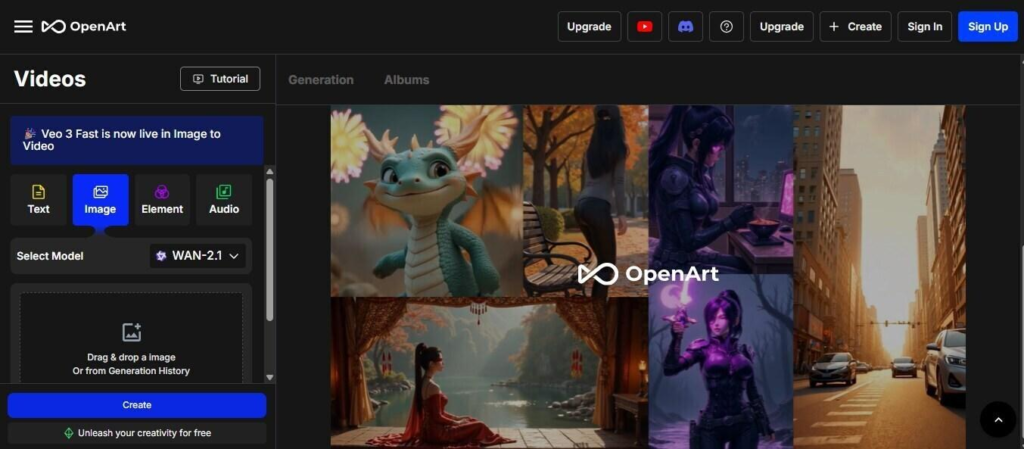
Another massive reason people are spending hours on OpenArt is the anime category.
Anime-inspired visuals have exploded across content creation lately, and OpenArt handles this style surprisingly well. The characters look expressive, detailed, colorful, and visually sharp instead of flat or awkward like many lower-quality AI generators.
Creators are generating anime profile pictures, gaming visuals, streaming assets, posters, wallpapers, social media banners, and even original character concepts directly from the platform.
Cyberpunk anime aesthetics are especially trending right now. Neon lighting, futuristic outfits, glowing effects, dramatic action scenes, and emotional close-up portraits dominate a lot of popular creations.
Fantasy anime artwork is another category people keep returning to. Magical worlds, warriors, mythical creatures, dark kingdoms, and cinematic landscapes give users endless creative possibilities without feeling repetitive.
Even people who don’t usually watch anime still end up experimenting with these styles because the visuals simply look eye-catching online.
That’s one thing OpenArt understands really well — people don’t just want technically good AI images anymore. They want visuals that feel stylish enough to share immediately.
Realistic Portraits on OpenArt Look Surprisingly Polished
Realistic image generation is where many AI tools still struggle, especially with faces. But OpenArt has become popular partly because the portraits often look far cleaner and more natural than people expect.
The lighting feels cinematic, the facial details look refined, and the overall images usually avoid that overly artificial appearance that makes many AI portraits look strange.
This is one reason creators are using OpenArt for branding visuals and social media aesthetics more often now. The portraits can look editorial, dramatic, or fashion-inspired depending on the direction users choose.
Some creators use realistic AI portraits as inspiration for photo shoots or digital campaigns, while others generate them purely for visual storytelling and creative experimentation.
The black-and-white cinematic portraits trending on the platform are especially impressive. They carry a moody, film-inspired feeling that works extremely well for modern branding aesthetics.
And because users can explore multiple styles and models, portraits never start feeling too repetitive or formulaic.
Fantasy Worlds and Surreal Artwork Keep Pulling People In
There’s something addictive about generating fantasy environments on OpenArt.
People start with a simple idea and suddenly end up creating massive castles, floating islands, magical forests, futuristic planets, dragons, dark fantasy kingdoms, or surreal dream landscapes that look straight out of a movie.
The platform handles atmospheric world-building extremely well, which is why fantasy creators and gaming communities are spending so much time experimenting on it.
A lot of trending creations mix fantasy with cinematic realism, which creates visuals that feel immersive instead of cartoonish. Large environments, glowing skies, dramatic weather, and highly detailed scenery make these generations look visually rich without needing extra editing.
Surreal artwork is becoming increasingly popular too. Dreamlike scenes, abstract concepts, impossible environments, glowing textures, and emotional visual storytelling have become a huge part of the platform’s creative culture.
These styles work especially well for creators trying to stand out online because the visuals feel unique and memorable instantly.
OpenArt’s AI Tools Make Experimentation Feel Easy
One reason people stay on OpenArt longer than expected is because the platform makes experimentation feel effortless.
Changing styles, testing different models, generating variations, refining prompts, and editing visuals all happen smoothly enough that users naturally keep exploring more ideas.
Instead of feeling technical or intimidating, the process feels playful.
That matters because creativity usually dies when tools become frustrating. OpenArt removes a lot of that friction. Users can move quickly between ideas without needing advanced design knowledge or complicated editing skills.
The variation features are especially addictive because they let users explore multiple interpretations of one concept. A realistic portrait can instantly become cyberpunk-inspired, anime-styled, fantasy-themed, or cinematic with just a few adjustments.
This constant ability to reshape ideas is a major reason the platform doesn’t start feeling repetitive.
Content Creators Are Using OpenArt for More Than Just Art
One thing becoming obvious lately is that OpenArt isn’t only attracting digital artists anymore.
Content creators across different industries are using the platform because visually strong content performs better almost everywhere online now.
YouTubers are creating thumbnails, Instagram creators are building aesthetics, streamers are generating banners and avatars, bloggers are replacing stock photography, and small brands are experimenting with visual campaigns without needing full design teams.
The platform helps creators produce visuals that feel more original compared to generic templates or overused stock images.
And because trends move so quickly online, the ability to generate fresh visuals consistently becomes a huge advantage.
Many creators are also using OpenArt simply for brainstorming. Even if a final project eventually gets professionally designed, AI-generated concepts help speed up the creative process dramatically.
The Community Side Makes the Platform Feel Alive
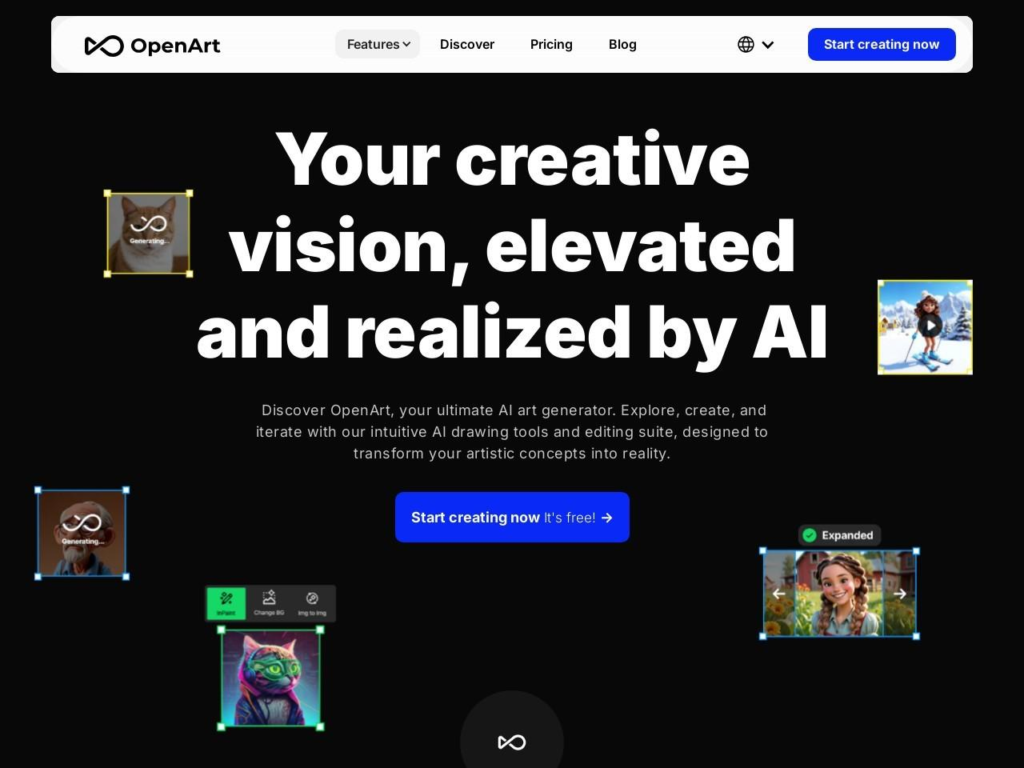
Another reason OpenArt keeps growing is because the community itself constantly creates new trends.
Scrolling through popular creations often leads users into styles or ideas they weren’t even planning to explore. Someone might log in for realistic photography and suddenly start testing futuristic anime aesthetics or surreal fantasy scenes after seeing trending artwork.
That constant discovery keeps the platform engaging.
The community showcase also helps users learn naturally. Seeing how other creators structure prompts, combine styles, or experiment with moods makes it easier for newer users to improve their own generations quickly.
And because visual trends evolve fast, OpenArt rarely feels stagnant. There’s almost always another aesthetic gaining popularity or another creative style spreading across the platform.
Premium Features Feel More Valuable Once You Start Creating Regularly
A lot of users begin casually with free generations, but once they start creating consistently, the premium features become much more appealing.
Faster generation speeds, expanded model access, more creative flexibility, and smoother workflows genuinely improve the experience for regular users.
For content creators especially, the platform starts feeling less like entertainment and more like a practical creative tool.
Instead of relying heavily on multiple design resources, creators can experiment, generate, edit, and refine visuals inside one ecosystem. That convenience saves both time and creative energy.
And because the outputs often look polished enough to use immediately, the value becomes pretty obvious once users start integrating the platform into their workflow regularly.
Why OpenArt AI Feels Like More Than a Passing Trend
A lot of AI platforms explode in popularity temporarily and disappear once the novelty fades. OpenArt feels different because the platform keeps giving users new reasons to stay creative.
The variety of styles, cinematic visuals, anime artwork, realistic portraits, fantasy environments, editing tools, trending aesthetics, and creator-focused features all combine to make the experience feel dynamic instead of repetitive.
More importantly, the platform understands how modern visual culture works. People want content that looks bold, aesthetic, emotional, cinematic, and instantly attention-grabbing. OpenArt AI helps users create exactly that without making the process feel overwhelming.
Whether someone wants social media visuals, creative inspiration, branding concepts, gaming artwork, cinematic posters, or simply a place to experiment creatively, the platform gives enough freedom to make every session feel different.
And honestly, once people start exploring the styles and seeing how polished the outputs can get, it becomes very easy to understand why OpenArt AI is becoming one of the most talked-about AI art platforms right now.