Why OpenArt AI Is Becoming the Go-To Tool for AI Image Creation in 2026
Anyone who has experimented with AI image generators lately already knows one thing: finding a platform that consistently delivers high-quality results without making the process frustrating is harder than it looks. Some tools generate decent visuals but lack control. Others overload the screen with complicated settings that make even simple projects feel exhausting. That’s exactly why more creators, marketers, freelancers, and business owners are slowly shifting toward OpenArt AI.
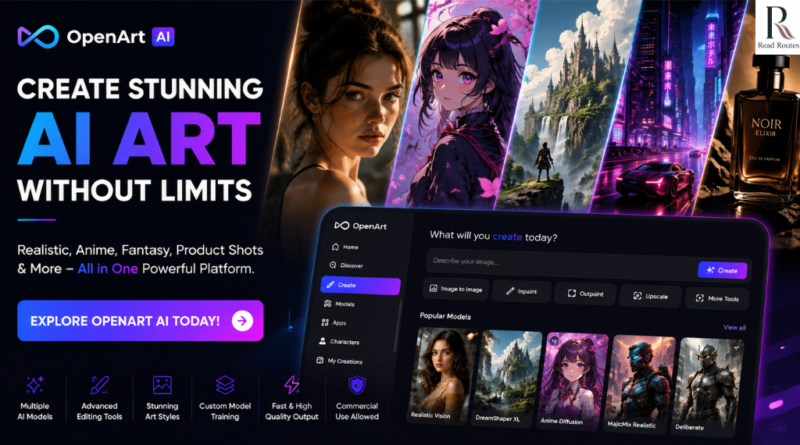
The platform has become one of the most talked-about names in the AI art space because it does not just focus on generating random images. It gives users actual creative flexibility while still keeping the experience smooth enough for daily use. Whether someone wants cinematic portraits, anime-style illustrations, product photography, social media visuals, concept art, realistic renders, or stylized branding assets, OpenArt covers a surprisingly wide range of creative categories in one place.
What makes it even more interesting is that the platform feels built for people who genuinely create content regularly. Instead of forcing users to jump between multiple tools, OpenArt combines generation, editing, customization, and model experimentation in a way that saves time while still producing visually strong results.
The Variety of AI Art Categories Feels Endless
One of the biggest reasons people stay on OpenArt after trying it once is the sheer number of visual categories available on the platform. It does not feel limited to one type of audience. Some AI tools mainly cater to anime creators while others focus only on hyper-realistic photography. OpenArt manages to support both without compromising the output quality.
The realistic image generation category is easily one of the strongest sections on the platform. Users can create portraits that look polished enough for advertising campaigns, social media content, digital branding, and even mock commercial shoots. Skin textures, lighting, facial details, and cinematic depth tend to come out far more refined compared to many basic AI generators floating around online right now.
At the same time, the anime and illustration categories are equally impressive. The platform includes multiple anime-focused models that create vibrant characters, dynamic scenes, fantasy-inspired visuals, and stylized artwork that instantly stands out. For creators working on YouTube thumbnails, gaming content, manga concepts, or profile artwork, this section alone feels worth exploring.
Fantasy art and cinematic storytelling visuals are another major attraction. OpenArt makes it incredibly easy to generate dramatic movie-style posters, dark fantasy environments, sci-fi concepts, magical landscapes, and futuristic character designs that look professionally crafted. Many creators use these styles for storytelling content, digital campaigns, and creative branding because the output feels detailed rather than generic.
The platform also performs extremely well for product-based image generation. This category has quietly become one of the most valuable sections for online sellers and digital marketers. Users can create AI-generated product photography with controlled lighting, premium-looking backgrounds, aesthetic compositions, and commercial-style presentation without needing an expensive studio setup. For small brands and independent creators, this can save a massive amount of production cost.
OpenArt AI Does More Than Basic Image Generation
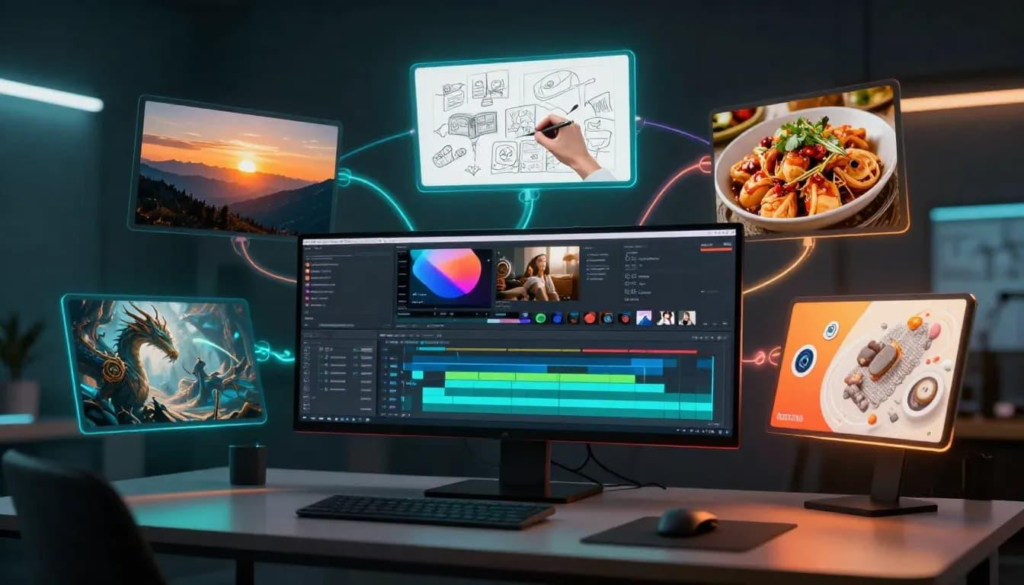
A lot of AI art platforms stop at simple prompt-based image generation. OpenArt goes further by giving users more control over the final result, and honestly, that changes the entire experience.
The editing capabilities inside the platform are one of the reasons many creators end up upgrading to premium plans. Instead of starting over every time an image looks slightly off, users can refine details, change visual direction, improve compositions, or regenerate specific sections without losing the overall quality of the artwork.
The inpainting and editing tools are especially useful for creators who want polished outputs for real projects. If a facial expression looks awkward, if the lighting needs adjustment, or if an object placement feels incorrect, OpenArt allows quick refinements that save hours of unnecessary regeneration attempts.
Another standout feature is the ability to train custom AI models. This has become incredibly popular among creators who want consistency in their work. Instead of generating random-looking characters every single time, users can create models trained around specific styles, aesthetics, or subjects. That consistency becomes extremely valuable for branding, storytelling, content creation, and commercial work.
For example, creators building recurring characters for social media pages, digital comics, gaming content, or AI influencers can maintain a recognizable visual identity much more easily through OpenArt’s custom training options.
The image-to-image transformation tools are another reason the platform feels more advanced than average AI generators. Users can upload references and transform them into entirely different styles while still maintaining structure and composition. This creates much better creative control compared to platforms that rely only on text prompts.
The Popular Styles on OpenArt Are Actually Worth Using
One thing many users notice after spending time on OpenArt is that the trending and popular styles genuinely produce attractive results instead of feeling like filler presets.
The cinematic portrait styles are currently among the most popular categories on the platform. These visuals often include dramatic lighting, ultra-detailed textures, realistic depth, luxury aesthetics, and high-fashion photography vibes that instantly look premium. Content creators and marketers use these heavily because they perform well across Instagram, YouTube, advertising creatives, and digital campaigns.
Anime-style generations are another massive attraction. The platform includes multiple anime-focused models that can create both soft artistic visuals and highly detailed modern anime aesthetics. From fantasy warriors to cyberpunk-inspired characters, the variety feels large enough to keep creators experimenting for hours.
The realistic AI influencer style has also gained serious attention lately. Users create hyper-realistic virtual characters, fashion visuals, branded portraits, and digital personalities that look surprisingly polished. This category has become especially useful for creators managing faceless brands, AI-focused pages, or digital marketing projects.
There is also growing interest around the fantasy realism category. OpenArt handles complex fantasy environments extremely well, especially when it comes to lighting effects, magical elements, dramatic scenery, and cinematic mood creation. A lot of AI-generated fantasy content online currently comes from platforms like this because the visuals feel much more immersive.
The platform’s concept art capabilities deserve attention too. Designers, storytellers, and game-focused creators use OpenArt to generate environment concepts, futuristic worlds, architecture ideas, creature designs, and visual storytelling assets quickly. What makes this category valuable is the level of detail users can achieve without needing advanced illustration skills.
OpenArt AI Feels Built for Daily Creative Work
Some AI tools are fun for occasional use but become frustrating when used consistently. OpenArt feels different because it actually supports repeat creative workflows.
The platform allows creators to move through idea generation, refinement, editing, style testing, and final outputs without constantly switching between separate software. That convenience matters far more than people initially realize.
For content creators managing multiple social platforms, the speed difference becomes noticeable quickly. Instead of spending hours searching for stock images or outsourcing visuals, creators can generate unique branded content directly inside the platform. This makes OpenArt particularly useful for social media managers, YouTubers, affiliate marketers, ad creators, and freelancers who need fresh visuals regularly.
The same applies to online business owners. AI-generated product visuals, promotional banners, stylized campaigns, and digital advertisements can be produced much faster without compromising visual quality. In many cases, creators can test multiple creative directions in one evening instead of waiting days for revisions.
Another reason users stick with OpenArt is that the generated content rarely feels repetitive when prompts are written properly. The platform supports enough style variation and model diversity to keep visuals looking fresh rather than obviously AI-generated.
That flexibility gives creators more freedom to experiment creatively while still maintaining professional-looking outputs.
The Premium Features Feel Worth the Upgrade
One reason OpenArt continues growing rapidly is because the premium plans feel genuinely useful rather than artificially restricted.
Many free AI tools create excitement initially but quickly limit users through watermarks, slow generation speeds, poor-quality exports, or heavily locked features. OpenArt’s premium structure feels more practical because the paid features directly improve workflow quality.
Higher generation limits make a huge difference for users working on serious creative projects. Instead of constantly worrying about credit exhaustion, creators can test prompts more freely and refine images properly.
Faster generation speeds are another underrated advantage. When working on campaigns, thumbnails, social content, or client work, waiting endlessly for outputs becomes frustrating quickly. OpenArt’s premium experience noticeably improves that process.
The advanced models available through paid plans also tend to produce cleaner, more detailed, and more commercially polished visuals. This becomes especially important for creators producing professional content rather than casual experimentation.
Custom model training access is another major premium advantage. Many creators upgrade specifically for this feature because maintaining consistent visual identity across projects can dramatically improve branding quality.
For people actively creating digital content every week, the subscription often ends up feeling more like a productivity investment rather than just another monthly expense.
Why So Many Creators Are Moving Toward OpenArt
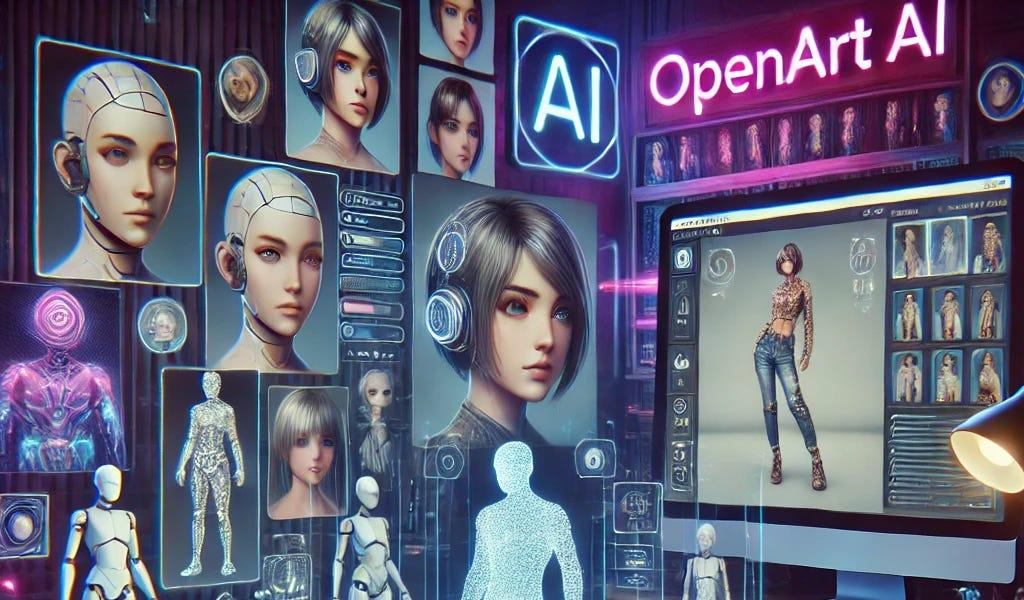
The AI image generation space is crowded right now, but OpenArt continues standing out because it combines creative freedom with practical usability.
The platform does not feel limited to hobby experimentation anymore. It supports real-world creative needs across multiple industries and creator categories. Whether someone creates social content, digital products, advertisements, thumbnails, concept art, fashion visuals, or online branding assets, OpenArt offers enough flexibility to handle all of it inside one ecosystem.
Another reason people trust the platform more is the consistency in visual quality. Some AI generators produce incredible outputs occasionally but fail repeatedly afterward. OpenArt feels more stable in terms of style quality, lighting realism, composition balance, and detail generation.
The platform also evolves constantly with new models, visual styles, and creative tools appearing regularly. That keeps the experience fresh instead of feeling outdated after a few weeks.
For beginners, the platform remains approachable enough to start creating quickly. For advanced users, the deeper customization options provide enough control to keep experimentation interesting long-term.
That balance is difficult to achieve, and it is honestly one of the main reasons OpenArt has become such a strong recommendation across creator communities lately.
Final Thoughts
AI-generated visuals are no longer just experimental internet trends. They are becoming part of everyday creative workflows for businesses, creators, freelancers, and marketers everywhere. The challenge now is finding a platform that delivers quality, consistency, flexibility, and speed without making the process unnecessarily complicated.
That is where OpenArt AI continues impressing users.
From realistic photography and anime-style artwork to cinematic storytelling visuals, fantasy art, product imagery, and advanced editing tools, the platform covers an enormous range of creative possibilities while still feeling practical for daily use. The premium features genuinely improve productivity, the customization options provide creative freedom, and the output quality consistently feels polished enough for serious projects.
For anyone currently exploring AI art platforms and wanting something that feels both powerful and easy to keep using long-term, OpenArt easily deserves attention. Once users start experimenting with its models, editing tools, and visual categories, it becomes very clear why so many creators are making it part of their regular workflow now.